
Why Some Classrooms Recover From Lunch and Recess Faster Than Others

On one of my first Zoom calls with a school leader in New York, she immediately gravitated toward the tools I had created to support regulation after recess.
More recently, another school leader I have worked with for some time made a similar observation during a walkthrough: the impact of the regulation practices we use together is often most noticeable after recess.
Different schools. Different students. Different schedules. Yet the concern is remarkably similar.
And some classrooms seem to manage this part of the day with relative ease.
Students return from lunch or recess, enter the classroom, and seem to know exactly what comes next. They know where to go. They know what to begin working on. They know where their attention should be directed. The environment feels predictable. The expectations feel familiar. And, fairly quickly, the classroom is able to return to learning.
In other classrooms, the same part of the day can feel completely different. Directions are repeated ...
Your School Is Almost Ready. But Are Your Systems?

Walk through almost any elementary school in the weeks before students return, and you'll see something remarkable. Hallways have been cleaned. Classrooms are carefully arranged. Bulletin boards are beginning to fill. Master schedules have been finalized. Professional learning is planned. Teachers are preparing lessons.
From the outside, everything appears ready. But I've found myself wondering a different question lately.
Are the systems students will experience every day just as ready as the building itself?
Because students don't just experience our planning. They experience our systems. They experience what happens when they walk through the front doors each morning. They experience how adults greet them. They experience the predictability of classroom routines. They experience transitions between learning activities. They experience what happens when they're frustrated, overwhelmed, or unsure of what to do next.
Those moments shape the way students move through the...
What If Students Practiced Emotional Regulation as Often as They Practiced Reading?

There was a time when literacy wasn't considered a universal skill.
For centuries, reading and writing were privileges available to only a portion of the population. Today, that's difficult to imagine. While there is always room for growth, we've learned how to teach literacy on a mass scale. Reading has become an expected part of everyday life, and schools have played a tremendous role in making that possible.
But literacy didn't become widespread simply because schools taught reading. It became widespread because reading became embedded into daily life.
A preschooler learns letters and sounds, then excitedly begins pointing them out on street signs, cereal boxes, restaurant menus, and the pages of their favorite books. An elementary student reads classroom schedules, morning announcements, directions, anchor charts, and library books. They don't practice reading during one isolated lesson. They practice it all day long.
Reading isn't simply taught. It's practiced.
And because st...
What Lost Instructional Time Reveals About Schoolwide Systems: End-of-Year Reflections for School Leaders
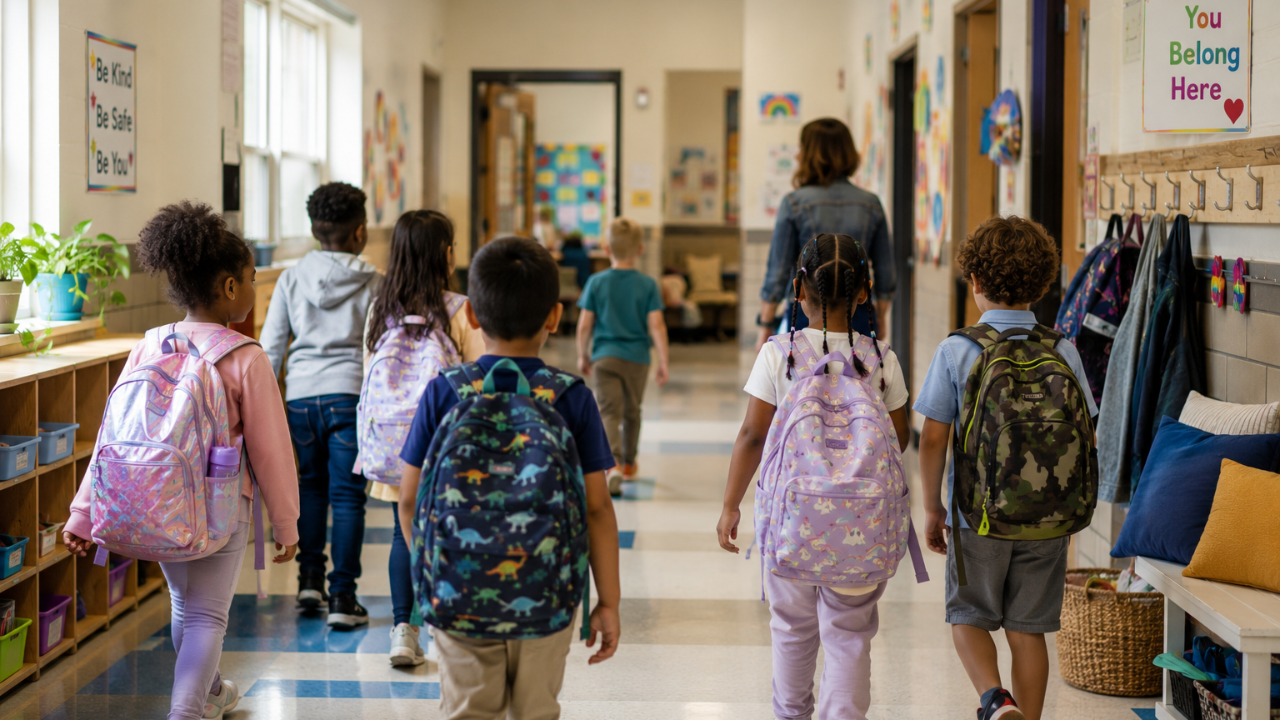
By early June, many school leaders begin quietly taking inventory. Some schools are already out for summer, while others are holding on through the final weeks of the school year, but regardless of the calendar, reflection has already begun.
- Did we meet expectations?
- What worked well?
- What consistently felt strained?
- Where did students struggle most to remain engaged and ready to learn?
- What needs to be strengthened before the fall?
The realities of school leadership are that the expectations are endless. In every direction, there are demands that must somehow be balanced each day: academic performance, instructional time, staffing realities, parent expectations, campus climate, operational logistics, and the emotional needs of both students and teachers.
Those external expectations can feel heavy to hold. But often, they pale in comparison to the internal expectations many leaders carry within themselves — the deeper reason they stepped into education in the first place.
M...
Why Behavior Feels Harder at the End of the Year—And It’s Not Random

By this point in the year, many school leaders are seeing the same pattern:
Instructional time is slipping.
Behavior is increasing.
And routines that once worked… aren’t holding anymore.
At the beginning of the school year, as educators, we know we need to emotionally prepare students for the changes that come with transitioning into a new grade, a new classroom, and often a new school. We do this consistently, every year—and often very effectively.
But what about the end of the year? The end of the year is different. It feels different. And it often looks different, too. We aren’t dealing with the nervous energy of new beginnings. There’s a familiarity to the day-to-day—but still, something shifts.
That’s because the end of the school year is, in itself, a transition. And at its core, a transition simply means change.
A change in structure.
A change in expectations.
A change in rhythm.
And students feel that change—whether it’s being named or not.
Why This Matters
This is...
What Your School’s Transitions Reveal About Its Culture

If one were to take a snapshot of an elementary school to understand the dynamics of that particular campus, the best place to look wouldn’t be during a structured ELA lesson. It wouldn’t be during an awards ceremony or a special event.
Instead, look at what happens right after lunch.
Or when students return from recess.
Watch the transitions—the moments in between learning.
That’s where the real story is.
Regulated schools just feel different. From the outside looking in, the halls are quieter. Walkthroughs feel authentic and non-performative. The sounds of the building are aligned with learning rather than competing with it.
But more than how they look—it’s how they feel.
They feel safe.
Safe for teachers to grow, learn, and lead.
Safe for students to try, take risks, and re-engage without hesitation.
There’s an ease about them. Not because teaching and learning are ever easy—but because there is a predictability that makes learning possible.
You can tell a lot more about a ...
Why Instructional Time Keeps Slipping Away

Working in fast-paced New York City schools, the phrase “a New York minute” feels less like an expression and more like a condition. Time moves quickly. There is much to learn.
But this urgency isn’t unique to New York.
It exists in schools across Kansas. In districts throughout Oregon. In suburban, rural, and urban communities alike. The environments differ. The resources differ. The student populations differ. But the goal remains the same:
To use the time given to move learning forward.
Testing season makes this especially visible. Schedules tighten. Expectations sharpen. Instructional minutes feel precious.
And yet — time still seems to slip away.
Schools expect the obvious interruptions: snow days, assemblies, drills. These one-off events disrupt learning, but they are visible and accounted for. They are not what consistently erodes instructional time. True instructional time is often lost in the moments surrounding learning. The minutes leading into instruction. T...
When SEL Works in One Room and Not Another

By February, many elementary school leaders begin to notice a pattern they can’t ignore.
Some classrooms feel calm, predictable, and productive. Others feel tense, reactive, and exhausting—for students and adults. What makes this especially frustrating is that these classrooms often:
- Use the same SEL curriculum
- Serve similar students
- Operate under the same schoolwide expectations
So a quiet but persistent question starts to surface:
Why does SEL seem to “work” in one room and not another?
The answer is rarely about student behavior or teacher skill. More often, it’s about consistency at the systems level.
The Hidden Cost of Inconsistency
By February, burnout begins to show—not because teachers aren’t capable, but because they’re carrying so many invisible decisions.
Across the day, especially during transitions, teachers are constantly deciding:
- Do I pause instruction here or push through?
- Is this a regulation moment or a behavior moment?
- Do I address the group or...
SEL Doesn’t Reset Behavior After Breaks—Practice Does
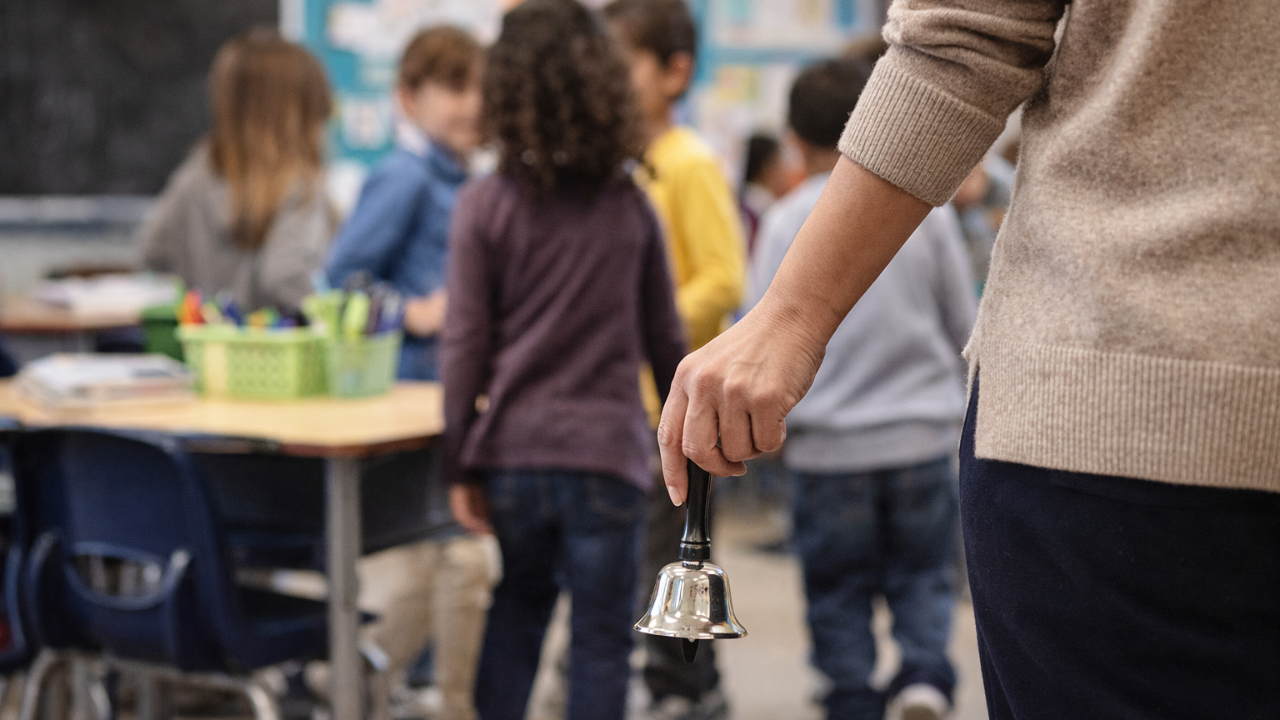
For elementary school leaders navigating post-break behavior challenges.
January is often when school leaders feel a quiet sense of whiplash.
Students return from break more dysregulated than expected.
Teachers feel like they’re starting over.
Behavior referrals spike—even in schools with strong SEL programs.
And the common response is almost universal:
- Review expectations.
- Reteach routines.
- Remind students what they already know.
This response makes sense — but it assumes behavior is a memory problem.
Yet for many schools, this doesn’t produce the reset they’re hoping for.
That’s not because SEL “isn’t working.”
It’s because SEL knowledge alone doesn’t automatically translate into regulated behavior—especially after a disruption.
Knowing Is Not the Same as Doing
Most students know what the expectations are by January.
They can often articulate calming strategies.
They’ve sat through SEL lessons that explain emotions and choices.
But regulation isn’t a concept you recal...