
Your School Is Almost Ready. But Are Your Systems?
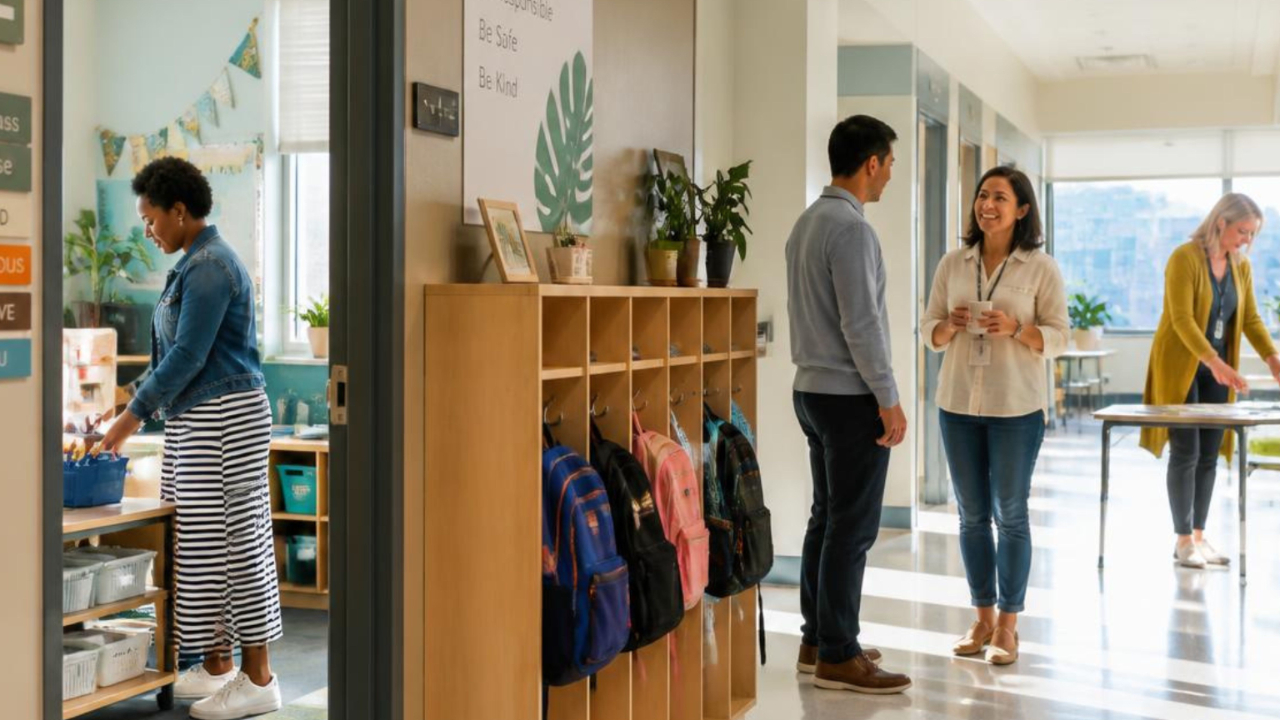
Walk through almost any elementary school in the weeks before students return, and you'll see something remarkable. Hallways have been cleaned. Classrooms are carefully arranged. Bulletin boards are beginning to fill. Master schedules have been finalized. Professional learning is planned. Teachers are preparing lessons.
From the outside, everything appears ready. But I've found myself wondering a different question lately.
Are the systems students will experience every day just as ready as the building itself?
Because students don't just experience our planning. They experience our systems. They experience what happens when they walk through the front doors each morning. They experience how adults greet them. They experience the predictability of classroom routines. They experience transitions between learning activities. They experience what happens when they're frustrated, overwhelmed, or unsure of what to do next.
Those moments shape the way students move through the school day long before anyone opens a math book or begins a reading lesson.
School systems rarely get the same attention as curriculum or instruction. They're not particularly glamorous, and when they're working well, they're often invisible. But they shape nearly every experience students and teachers have throughout the day. When a transition consistently takes longer than expected… When students struggle to settle after recess…. When teachers spend the first several minutes of a lesson redirecting instead of teaching…
It's easy to see those moments as isolated challenges. But what if they're actually revealing something about the systems surrounding them? Perhaps one of the most valuable leadership questions we can ask before students return is: "Which systems need to be strengthened before students arrive?"
Meaningful school improvement doesn't always begin with a new initiative. Rather, it sometimes begins by paying closer attention to the moments that happen every single day.
- The way students enter the building.
- The way they move from one demand to the next.
- The consistency of adult responses across classrooms.
- The predictability of routines that help students understand what comes next.
These moments rarely receive the same attention as curriculum or instructional planning. Yet they often determine how successfully students enter learning in the first place. Protecting instructional time isn't solely about what happens during a lesson. It's often about everything that happens before meaningful learning begins.
A master schedule can tell us when instruction is supposed to start. It cannot tell us whether students are actually ready for it. That depends on the systems surrounding the learning experience.
The encouraging part is that systems can be intentionally strengthened. Not all at once. Not perfectly. But thoughtfully; one improvement at a time.
As you prepare to welcome students back this year, I'd encourage you to pause for just a moment and ask yourself one simple question: If students walked through my doors tomorrow, where would our systems make learning easier...and where might they unintentionally make it harder?
That question may reveal your most important work for the year ahead. Because schools aren't only preparing classrooms. They're preparing the conditions students will experience every single day.
And when those conditions become more predictable, more connected, and more regulated, students have a better opportunity to become ready for what matters most: Learning.
Continue the Conversation
One of the easiest places to see whether school systems are working is during the first few minutes of every lesson. Those moments reveal whether students are entering learning ready—or spending valuable instructional time trying to get there.
Reclaim the First 7 Minutes of Every Class Period is a professional learning workshop. During this workshop, school teams explore how the systems surrounding instruction influence student readiness to learn, transition success, adult consistency, and ultimately, how much meaningful learning can happen once instruction begins.
If protecting instructional time while creating calmer, more predictable pathways into learning is one of your priorities this year, I'd love to continue the conversation.