
What Lost Instructional Time Reveals About Schoolwide Systems: End-of-Year Reflections for School Leaders
By early June, many school leaders begin quietly taking inventory. Some schools are already out for summer, while others are holding on through the final weeks of the school year, but regardless of the calendar, reflection has already begun.
- Did we meet expectations?
- What worked well?
- What consistently felt strained?
- Where did students struggle most to remain engaged and ready to learn?
- What needs to be strengthened before the fall?
The realities of school leadership are that the expectations are endless. In every direction, there are demands that must somehow be balanced each day: academic performance, instructional time, staffing realities, parent expectations, campus climate, operational logistics, and the emotional needs of both students and teachers.
Those external expectations can feel heavy to hold. But often, they pale in comparison to the internal expectations many leaders carry within themselves — the deeper reason they stepped into education in the first place.
Most school leaders did not enter education simply to improve testing metrics or increase seat time. Most entered because they wanted to positively shape the lives of children. They wanted schools to feel safe, supportive, engaging, and meaningful. They wanted students to grow not only academically, but emotionally and socially as well.
But by May and June, many leaders begin feeling the tension between those original aspirations and the operational demands of the role. And often, the clearest signs of that tension do not appear during instruction itself. They often appear in the conditions that shape learning before instruction even begins.
Toward the end of the school year, many schools begin noticing similar patterns:
- transitions taking longer
- increased emotional fatigue
- students struggling to re-engage after lunch, recess, or other unstructured moments
- classrooms responding differently to similar student needs
- teachers carrying increased emotional load
- routines feeling harder to sustain consistently across environments
It can be easy to dismiss these moments as “end-of-year behavior” or simply assume students and staff are exhausted. And while fatigue is certainly real, these moments often reveal something deeper about the systems students move through every day.
Transitions, the moments surrounding instruction, frequently expose gaps in:
- emotional predictability
- adult alignment
- schoolwide consistency
- regulation support
- instructional readiness
And this is often where the conversation around regulation begins reemerging.
Too often, regulation is treated as an occasional mindfulness activity, a wellness initiative, a classroom strategy or something implemented only if time allows. But regulation is not overly effective when practiced occasionally or isolated to a single classroom. It becomes meaningful when it is embedded consistently across environments and reinforced during the emotionally demanding moments students naturally experience throughout the school day.
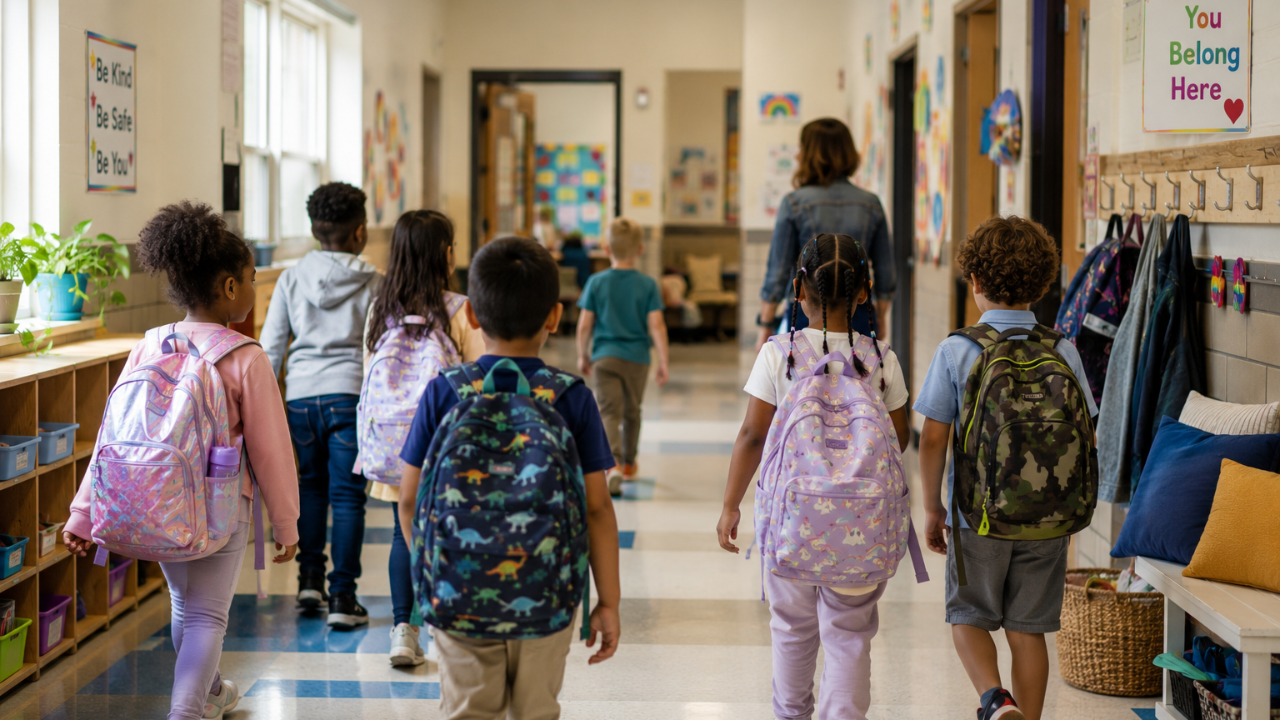
The periods between lessons and learning activities are often where these conditions become most visible. Hallway transitions. Re-entry after recess. Movement between classrooms. Arrival routines. Dismissal. The emotional tone adults bring into these moments. The predictability students experience as they move throughout the day.
These moments shape far more than behavior. They influence whether students experience school as emotionally predictable, supportive, and safe enough to remain connected to learning.
And when schools begin intentionally strengthening these moments consistently across environments, something important starts to happen. Emotionally predictable environments begin improving readiness to learn. Aligned adult responses reduce instructional recovery time. Students practice regulation skills during real moments, not isolated lessons. Consistency across classrooms begins shaping school culture in meaningful ways. Instructional flow and emotional support stop competing with one another and begin supporting one another instead.
This is often where school leaders begin reconnecting the expectations of the role with the reason many entered education in the first place. Not because the work suddenly becomes easy, but because the systems surrounding learning begin intentionally supporting both student outcomes and human development.
The end of the school year creates a rare opportunity for this kind of reflection.
The day-to-day demands of leadership can often feel all-consuming during the school year. But summer planning allows space to intentionally examine what this past year revealed and begin strengthening the conditions students and staff will return to in August.
Small systems shifts can meaningfully shape the emotional and instructional experiences students carry throughout the school day. And the moments surrounding instruction matter because they shape the conditions learning depends on.
If these reflections resonate with what you are noticing in your own school community, I’ll be exploring this work further during my upcoming live complementary webinar:
What's Really Stealing Instructional Time?
3 Systems School Leaders Should Examine Before Fall
During this 45-minute leadership webinar, school leaders will develop a better understanding of why instructional time is lost and what schoolwide systems influence readiness to learn. We’ll explore:
- transitions and instructional flow
- emotional predictability across environments
- adult alignment across classrooms
- readiness to learn
- practical reflection opportunities for strengthening schoolwide systems before August
This webinar is designed specifically for elementary principals, assistant principals, and lower-school leaders preparing intentionally for the upcoming school year.
School leaders should not have to choose between meeting operational expectations and creating emotionally supportive environments for students and staff. The systems surrounding and supporting instruction have the ability to shape both.
And often, the moments between lessons matter more than we realize.